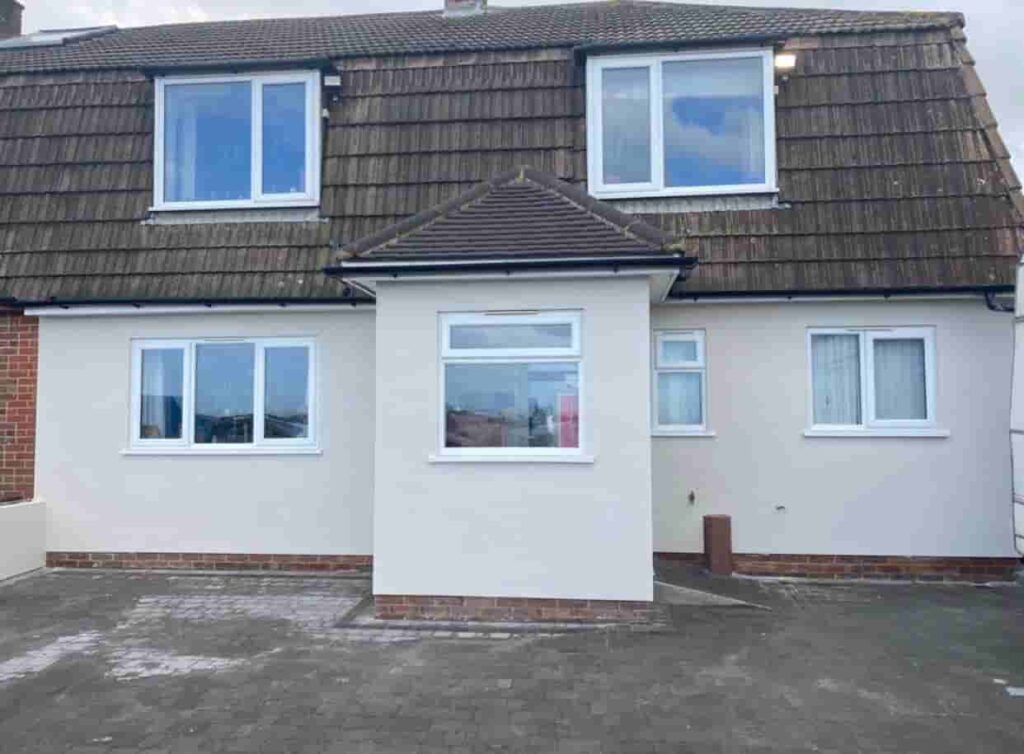
A single slipped roof tile is often an isolated defect that can be repaired directly. When several tiles have moved, however, the problem may indicate more than localised damage. Multiple slipped tiles can point to weakened fixings, deteriorating battens or movement affecting a wider section of the roof.
For property owners in Hornsea, East Riding of Yorkshire, arranging a professional inspection can help establish whether replacing the visible tiles is sufficient or whether another part of the roofing system also needs attention.
When Are Several Slipped Tiles a Sign of a Wider Problem?
Several tiles slipping within a short period should usually prompt an assessment of the surrounding roof. Although weather exposure may contribute, tiles can also move because the materials holding them in position are no longer performing effectively.
Understanding why the tiles slipped is important. Simply returning them to position without addressing the cause may allow the same problem to happen again.
Tiles Have Slipped Across the Same Roof Slope
When several tiles move on one roof slope, the fault may involve shared components beneath the covering. Timber battens can deteriorate, nails may corrode, and tile clips can become loose or damaged.
If the tiles are concentrated within one section, the surrounding area should be checked for similar weaknesses. Tiles that still appear correctly positioned may not necessarily be securely fixed.
Slippage Keeps Occurring
A tile that slips again after being repositioned suggests that the original cause has not been resolved. The replacement tile may be sound, but the batten or fixing supporting it could be damaged.
Repeated movement can also occur when neighbouring tiles are placing uneven pressure on one another. A professional roofer can examine how the affected tiles have been installed and determine whether the supporting materials remain dependable.
Gaps Have Appeared Between Tiles
Visible gaps can allow wind-driven rain to reach the underlay beneath the roof covering. Although the underlay provides secondary protection, it is not intended to replace the weatherproofing function of properly aligned tiles.
Gaps may also allow wind to lift adjoining tiles, gradually extending the affected area. An inspection can identify loose materials before further displacement occurs.
Slipped Tiles Are Found in Different Areas
Tiles moving in several unrelated sections may indicate general deterioration rather than one isolated fault. Ageing fixings, widespread batten decay or earlier installation weaknesses can affect more than one roof slope.
In this situation, repairing each visible tile separately may overlook a common underlying cause. A wider inspection helps determine whether the roof remains secure as a complete system.
Debris Is Appearing Around the Property
Pieces of tile, mortar or roofing material found below the roof can provide an early warning that components are breaking down. Even when the main tile remains in place, damaged corners or weakened nibs can reduce its ability to stay securely attached.
Roofing debris should not be ignored, particularly when visible tile movement has already occurred. The affected area may be more extensive than can be seen safely from ground level.
Water Ingress Has Developed
Slipped tiles do not always cause an immediate internal leak. Water can travel along underlay, battens and structural timbers before appearing inside the property at a point some distance from the defect.
If damp patches, staining or moisture appear after tiles have moved, the inspection should consider both the external covering and the route taken by the water. This helps ensure that the actual entry point is repaired.
The Underlay Is Visible or Damaged
Where a tile has slipped far enough to expose the underlay, the roof’s secondary protective layer becomes more vulnerable to sunlight, wind and rain. Older underlay may already be brittle or torn, while prolonged exposure can accelerate its deterioration.
Damaged underlay may require a larger section of tiles to be carefully lifted so that the affected material can be assessed and repaired correctly.
What Should a Wider Roof Inspection Cover?
A professional inspection should examine more than the tiles that have visibly moved. It should consider:
- the condition of the tile fixings and clips;
- the strength and condition of the battens;
- whether the underlay is torn, deteriorated or displaced;
- the alignment and security of neighbouring tiles;
- nearby ridge, verge and flashing details; and
- any signs of moisture beneath the roof covering.
This approach allows the roofer to distinguish between a straightforward tile repair and a defect affecting a broader area. It can also prevent sound sections of the roof from being disturbed unnecessarily.
Why Prompt Attention Is Sensible
Slipped tiles leave neighbouring materials more exposed to wind and rain. A small opening can gradually become larger if water reaches weakened battens or wind gains purchase beneath adjacent tiles.
Prompt attention does not mean assuming that major work is required. It means identifying the extent of the problem while repairs can still be planned around the roof’s actual condition.
Conclusion
Several slipped tiles should prompt a wider roof inspection when they occur repeatedly, affect different areas, expose the underlay or are accompanied by water ingress and roofing debris. The number of displaced tiles matters, but the condition of the materials beneath and around them is equally important.
If you have noticed slipped tiles on your property in Hornsea, East Riding of Yorkshire, TRP Roofing Hornsea can assess the affected area and determine whether a focused repair or wider remedial work is appropriate. Contact us to arrange a professional roof inspection.
Call us on: 01964 770 376
Click here to find out more about TRP Roofing Hornsea
Click here to complete our contact form and see how we can help with your roofing needs.